Eleven platforms, ranked against stated criteria rather than asserted. The criteria are below so you can disagree with the order and still use the page.
The short version: Profound if you need depth and can afford it, AthenaHQ if you want findings to become work, Otterly if you're finding out whether this category matters at all, and the Semrush or Ahrefs add-ons if you already pay for either.
At a Glance
- Ranked on five criteria: engine coverage in the tier you'd actually buy, sampling depth, whether findings become work, published pricing, and evidence base.
- Entry pricing runs $29 to $800 a month plus enterprise quotes. The cheap end is genuinely usable.
- The single most useful procurement demand: raw answer snapshots during the trial. A vendor who won't provide them can't be verified.
- Ask whether prompts are real or synthetic, and how often they refresh. Most buyers never ask and it's the question that separates measurement from estimation.
- Answers vary between runs, so single checks are readings rather than measurements. Sampling depth matters more than feature count.
- Fail two of the first four criteria and stop. Don't negotiate your way past a coverage problem.
The criteria
Engine coverage in your tier. Not what the vendor supports. What your plan includes. Coverage is routinely gated above the price you were quoted.
Sampling depth. How many times each prompt runs and how often. A single check per prompt tells you what happened once.
Actionability. Does a finding become an assigned task, or a line on a dashboard? This is where most of the price difference should be, and often isn't.
Published pricing. Vendors who won't publish are harder to compare and usually more expensive. Not disqualifying, but weight it.
Evidence base. Independent material you can check before committing. Matters more than it sounds when you're defending the choice internally.
If a vendor fails two of the first four, stop. A coverage gap doesn't get negotiated away.
The ranking
1. Profound — enterprise, by quote
The deepest measurement available, with crawler analytics showing which systems reach your site and what they take, long-retention history and enterprise controls. They also defined much of this category, and their definitional content is the reference most of the industry links to. Against: slow onboarding, priced for organisations with a dedicated owner. Overkill for a team of three.
2. AthenaHQ — from $295/mo, free tier below
Tracking across nine or more models with an Action Center that turns findings into owned tasks. The most balanced tracker-plus-action option, and the most-reviewed vendor in the category, which helps if you need third-party evidence. Against: credit-based costs move with usage. Model your prompt volume before signing.
3. Rankscale — from $385/mo
ChatGPT, Gemini, Perplexity, Claude and Grok, with page-level recommendations and refresh as often as hourly. The most actionable of the monitoring-first tools. Against: newer, so less accumulated history behind the trends.
4. Semrush AI Visibility Toolkit — ~$99/mo per domain
Ranked here specifically for teams already paying for Semrush. Visibility data sits next to keyword and audit data you already have, which removes a vendor and a login. Against: works from estimates rather than dedicated prompt-level capture. Confirm domain and prompt limits on your tier.
5. Ahrefs Brand Radar — from $129 base, ~$199 per engine
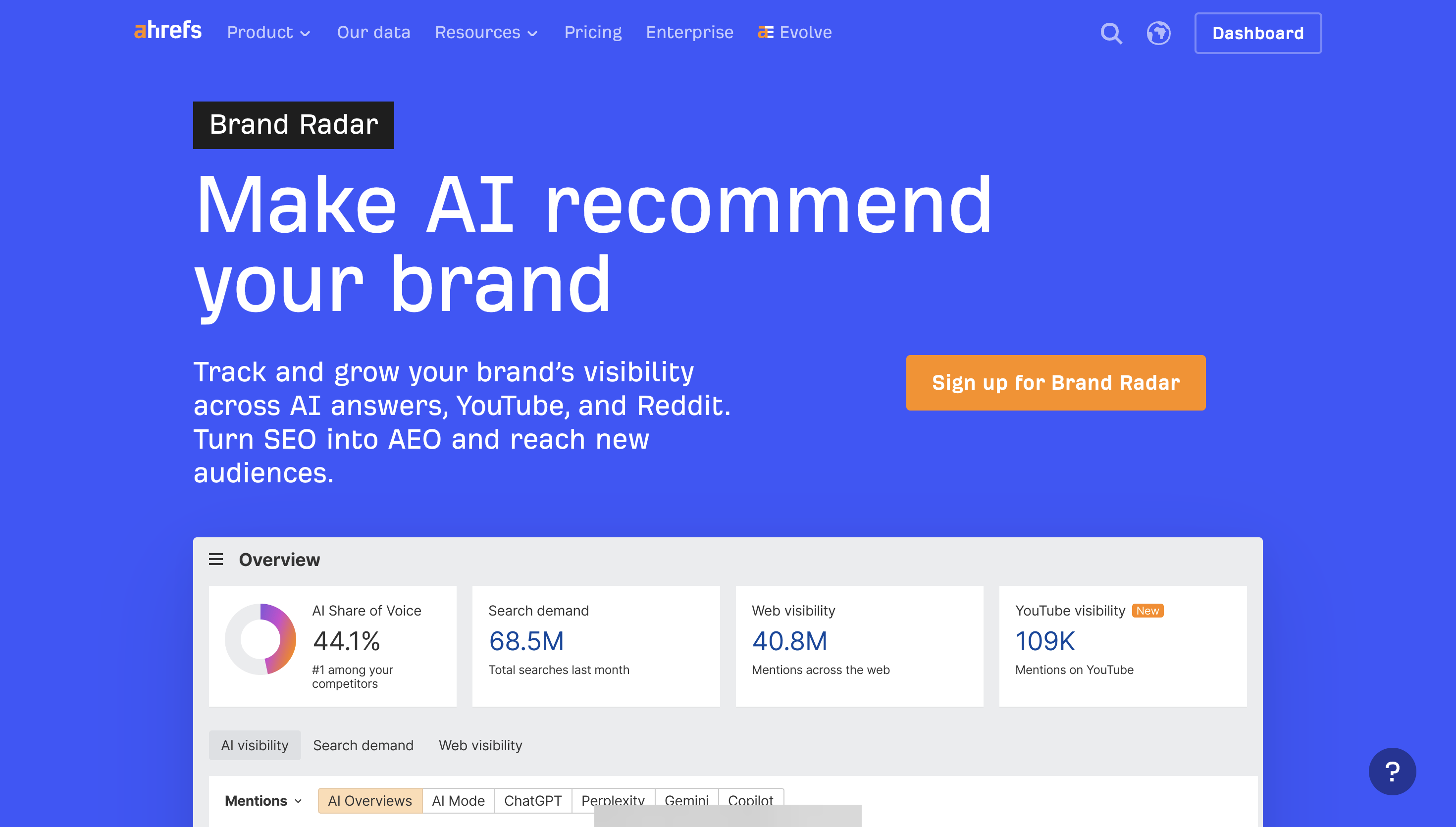
Same logic. Reports citation signals at URL level rather than raw mention counts, and extends beyond AI engines into Reddit and the wider web. Against: per-engine pricing escalates, and refresh is slow on standard indexes.
6. Peec AI — from $80/mo for 50 prompts
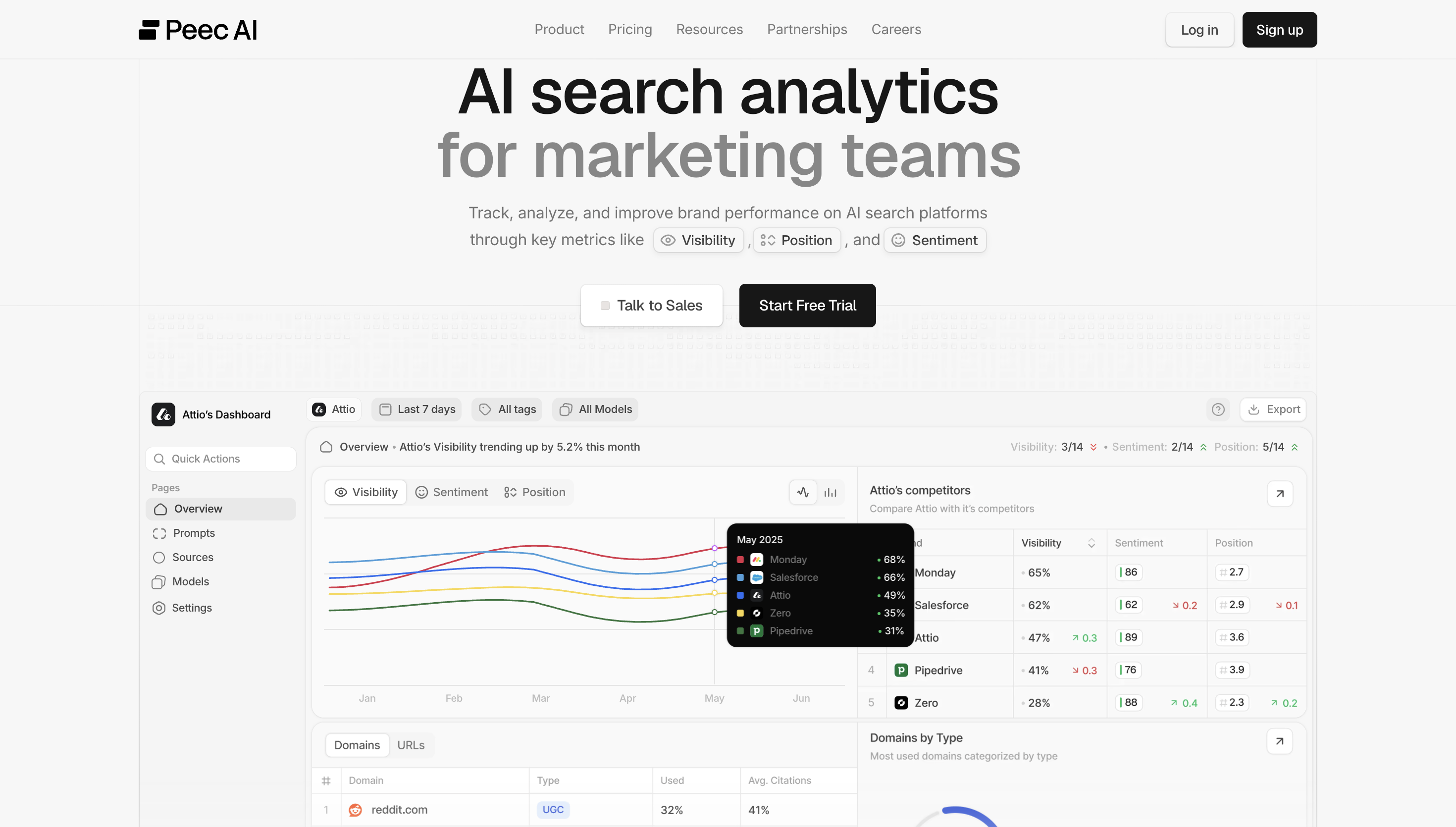
Fast setup, clean dashboards, daily monitoring. Strongest coverage is European and German-language. Against: thin crawler analytics. Ask directly about US English prompt handling if that's your market.
7. Scrunch AI — from $250/mo
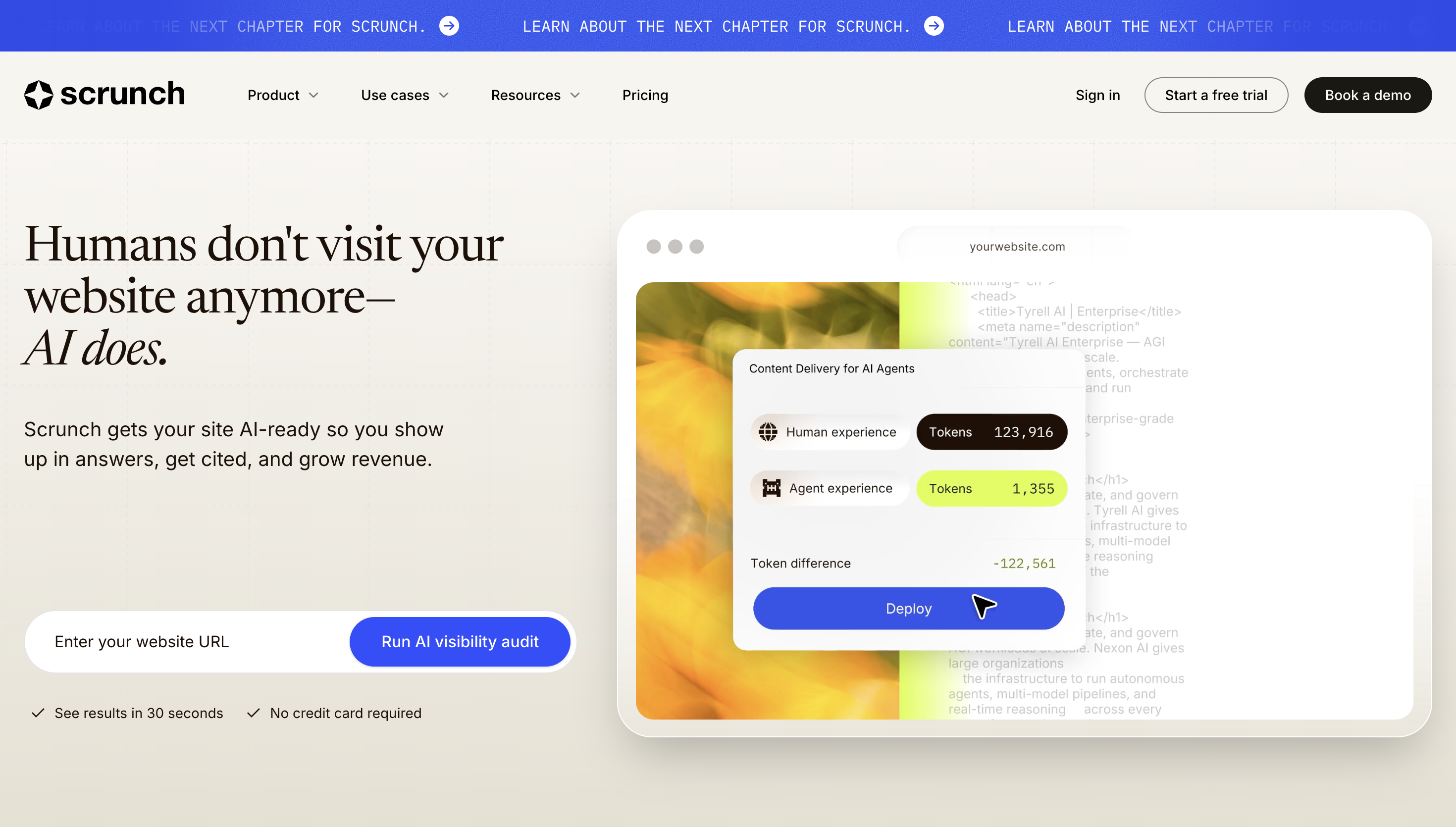
Crawler control is the differentiator: understanding and shaping how AI systems reach and read your content. Genuinely specialised. Against: needs technical ownership to justify the cost.
8. Otterly — from $29/mo for 15 prompts
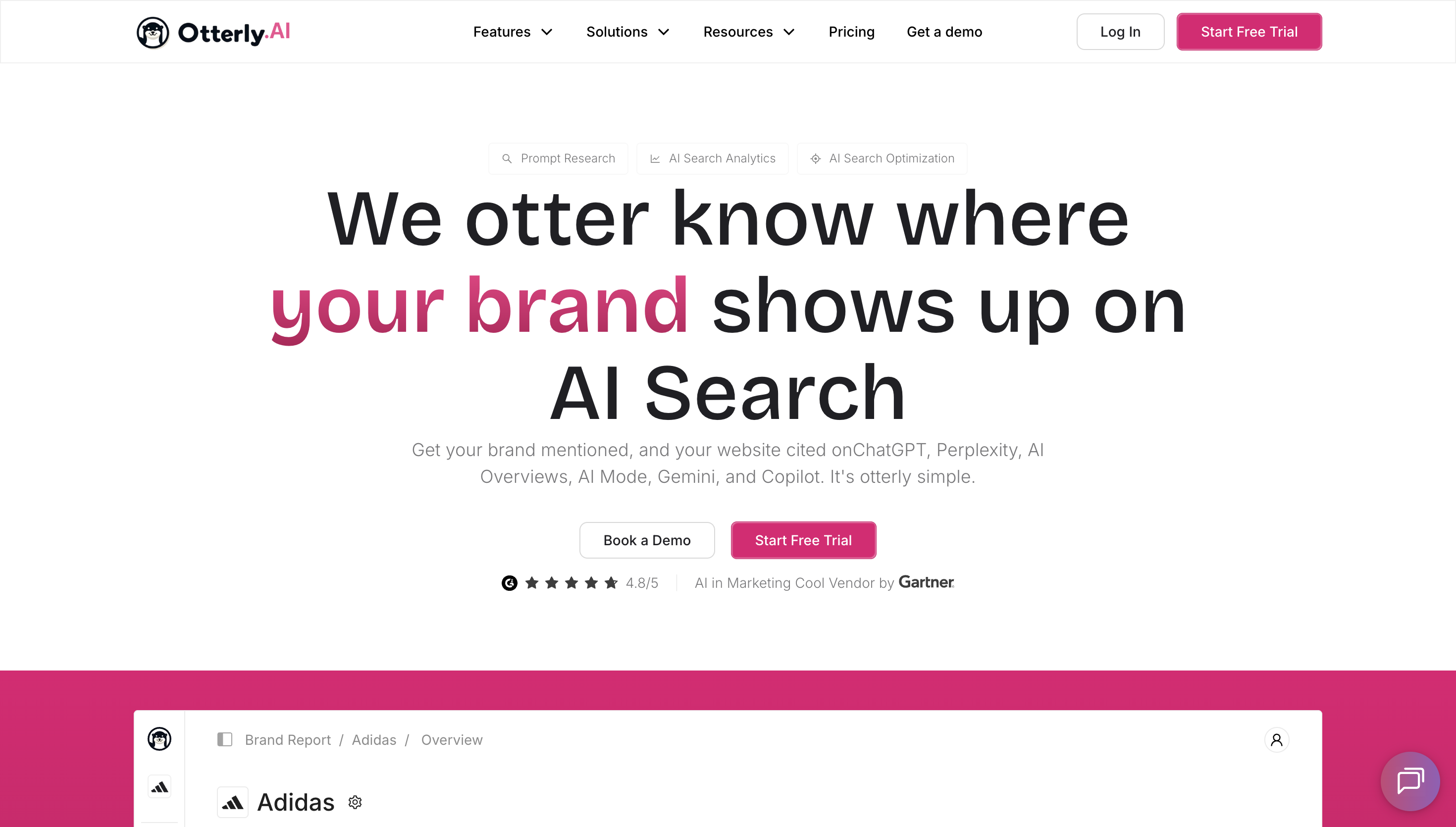
The cheapest credible entry point, ranked here rather than lower because it's the right first purchase for a team testing whether this category earns budget at all. Against: API access and exports restricted on lower tiers, and prompt costs climb with volume.
9. Strivelabs — quoted
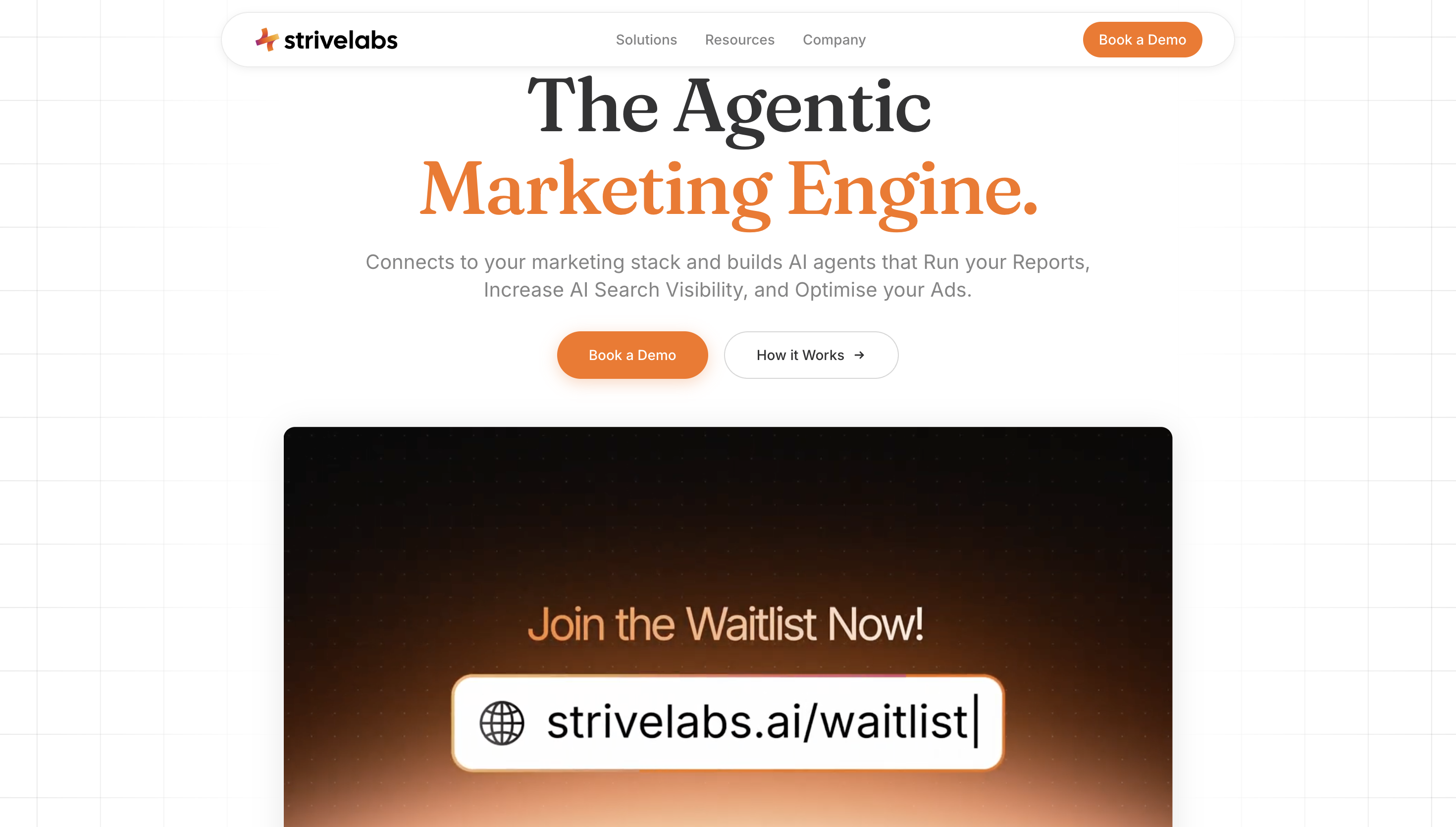
Samples ChatGPT, Gemini, Claude, Perplexity and Google AI Overviews with user-defined prompt sets, three samples per prompt, working standalone. Also connects to Search Console, GA4, Google Ads, HubSpot and LinkedIn Ads, so a finding becomes a routed task with a named owner and enforced approval. Against: three samples per prompt shows whether you appear consistently, occasionally or not at all, which is enough to act on but lighter than the trackers above it. Five engines rather than nine, so no Copilot, AI Mode, Grok or DeepSeek. Teams needing statistically robust trend reporting want a specialist alongside.
10. Knowatoa — around $59/mo
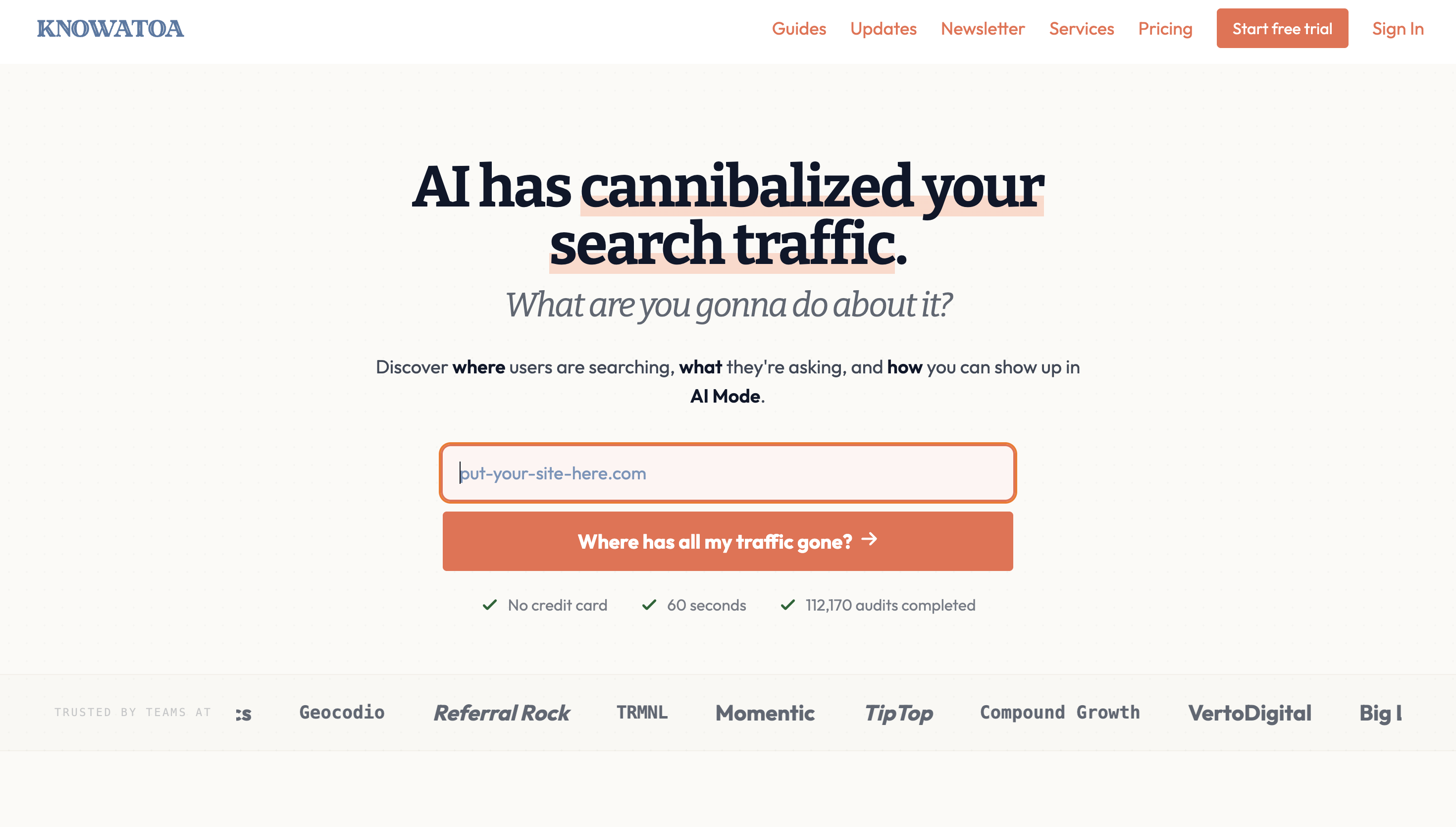
Fast, inexpensive audits for a read on where you currently stand. Against: smaller dataset. Better for a snapshot than an ongoing programme.
11. Evertune — from $800/mo
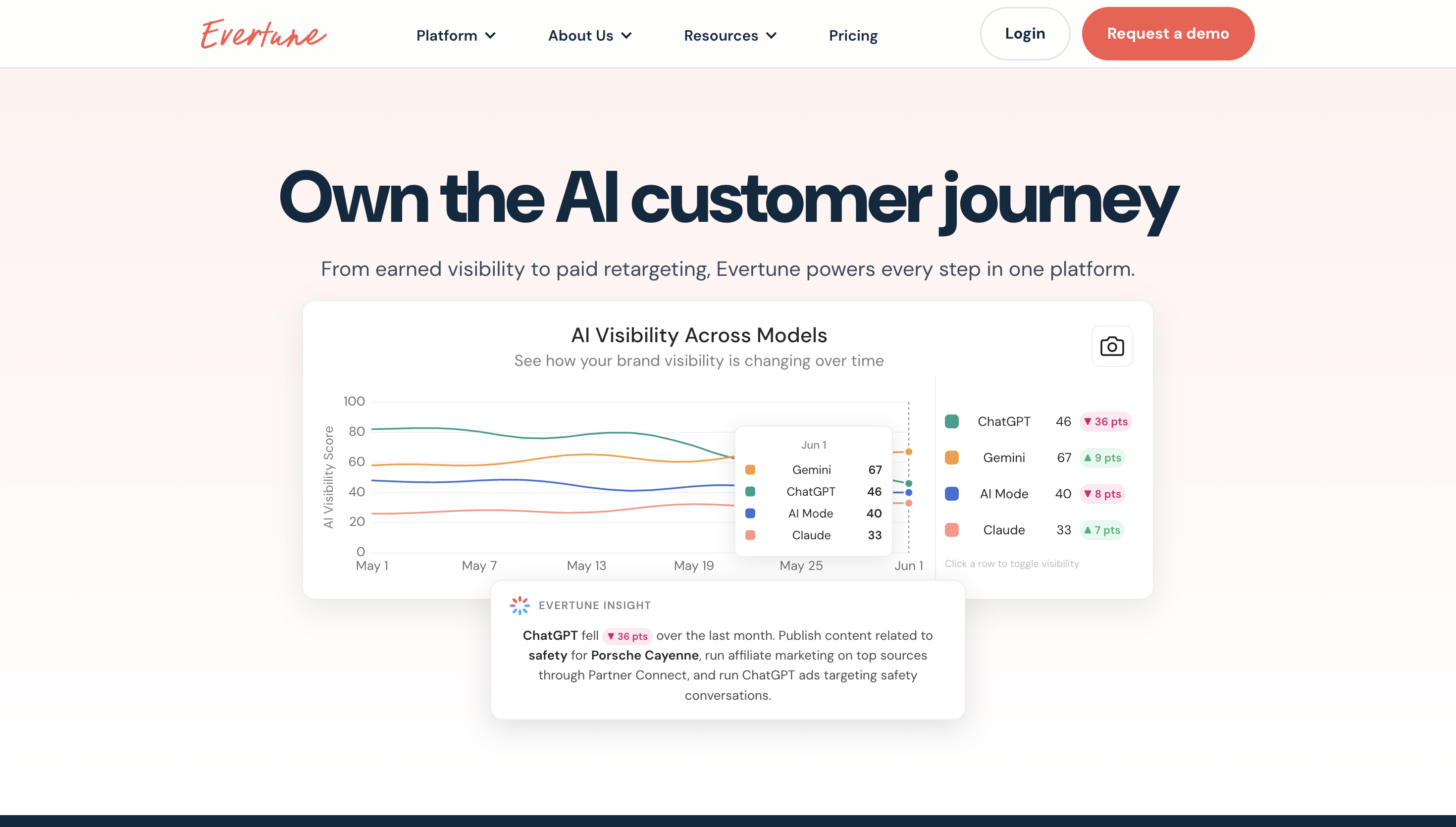
Aimed at larger brand teams, stronger on sentiment and distribution than core citation depth. Against: price sits outside most mid-market budgets, which is why it ranks last despite being a capable product.
Before shortlisting: verify engine coverage per tier against each vendor's own documentation. Third-party roundups copy each other and go stale within weeks, including this one.
Which one fits your situation
| Situation | Buy |
|---|---|
| Testing whether AEO matters at all | Otterly ($29/mo) |
| Already paying for Semrush or Ahrefs | The relevant add-on, before anything else |
| Need findings to become assigned work | AthenaHQ ($295/mo) or Strivelabs |
| Buyers primarily in Europe | Peec AI ($80/mo) |
| Crawler behaviour is the actual problem | Scrunch AI ($250/mo) or Profound |
| Board-level reporting and compliance | Profound |
| Want optimisation recommendations included | Rankscale ($385/mo) |
What to demand in procurement
Raw answer snapshots during the trial. This is the one that matters. If a vendor won't show you the actual model output behind a citation claim, you cannot verify accuracy, and you're buying a dashboard rather than a measurement. Walk away.
Thirty days of historical backfill. Tests whether their data is real and lets you sanity-check against anything you already know.
Written engine list with a price per addition. Coverage claims made verbally have a way of becoming tier-dependent after signing.
Prompt provenance. Are the prompts real user queries or synthetic constructions, and how often do they refresh? Rarely asked, and it separates genuine measurement from modelled estimates.
Billing definitions. What counts as a prompt, a brand, a seat. Overage rates in writing.
Security documentation. SOC 2 status and data residency, provided without a sales escalation.
A realistic first month
Week 0. Map 20 commercial prompts to your most important pages and record a baseline. Twenty is deliberately small enough to inspect by hand.
Weeks 1 to 4. Pick three pages matching those prompts, assign a named owner to each, make the changes, and watch Search Console and GA4 alongside citation data. Pricing, comparison and integration pages are usually where citation is worth most.
Ongoing. Weekly alerts for prompt shifts, monthly content refresh with a human signing off before anything publishes.
Expect visibility data within 24 hours and meaningful citation share movement over four to eight weeks. Anything promised faster is measuring something else.
For the broader measurement framework, answer engine optimization covers citation share properly, and AI visibility tools goes deeper on what each platform reports.
Track your citation share across ChatGPT, Gemini, Claude and Perplexity
Strivelabs samples five AI engines against prompt sets you define — and routes findings to a named owner.
Frequently Asked Questions
What are the best AEO tools in 2026?
Profound for depth, AthenaHQ for balance between tracking and action, Otterly at $29 a month as the cheapest credible entry, and the Semrush or Ahrefs add-ons if you already subscribe. Eleven compared above against stated criteria.
What's the difference between AEO and GEO?
Very little. Generative engine optimization emphasises how models assemble answers, answer engine optimization emphasises being the answer, and the work is substantially the same. Most vendors sell one product under both names.
How much do AEO tools cost?
From $29 a month at entry to $800 for brand-focused platforms, with enterprise quoted. Add-ons to Semrush or Ahrefs run roughly $99 to $199 a month on top of an existing subscription.
How long until I see results?
Visibility data appears within a day. Citation share typically takes four to eight weeks to move meaningfully, depending on how often each engine refreshes and how substantial your changes are.
Can AEO software update content automatically?
It can propose changes. Don't let it publish them. Keep approval enforced by role permission rather than convention, and log who approved what.
What should I measure?
Citation share against a fixed prompt set, sampled repeatedly rather than checked once. Add referral sessions and CRM activity from cited pages, and accept that attribution will be partial.
Is a free tier enough?
For finding out whether you have a problem, yes. Free and entry tiers give you a snapshot. An ongoing programme needs historical data, prompt-level capture and exports, which is where paid tiers earn their cost.
What's the one question buyers forget to ask?
Whether the prompts are real or synthetic, and how often they refresh. A tool running stale synthetic prompts produces confident numbers about a world that no longer exists.